

Conceived with COSEINCORSO for Colnaghi’s first participation in RendezVous, The Order of Things brings antiquities and works on paper into an interior shaped by contemporary design. Removed from the chronological arrangements of the museum, the works are connected through their materials, uses and changing relationships with domestic space. The following selection is available to acquire directly through Colnaghi.
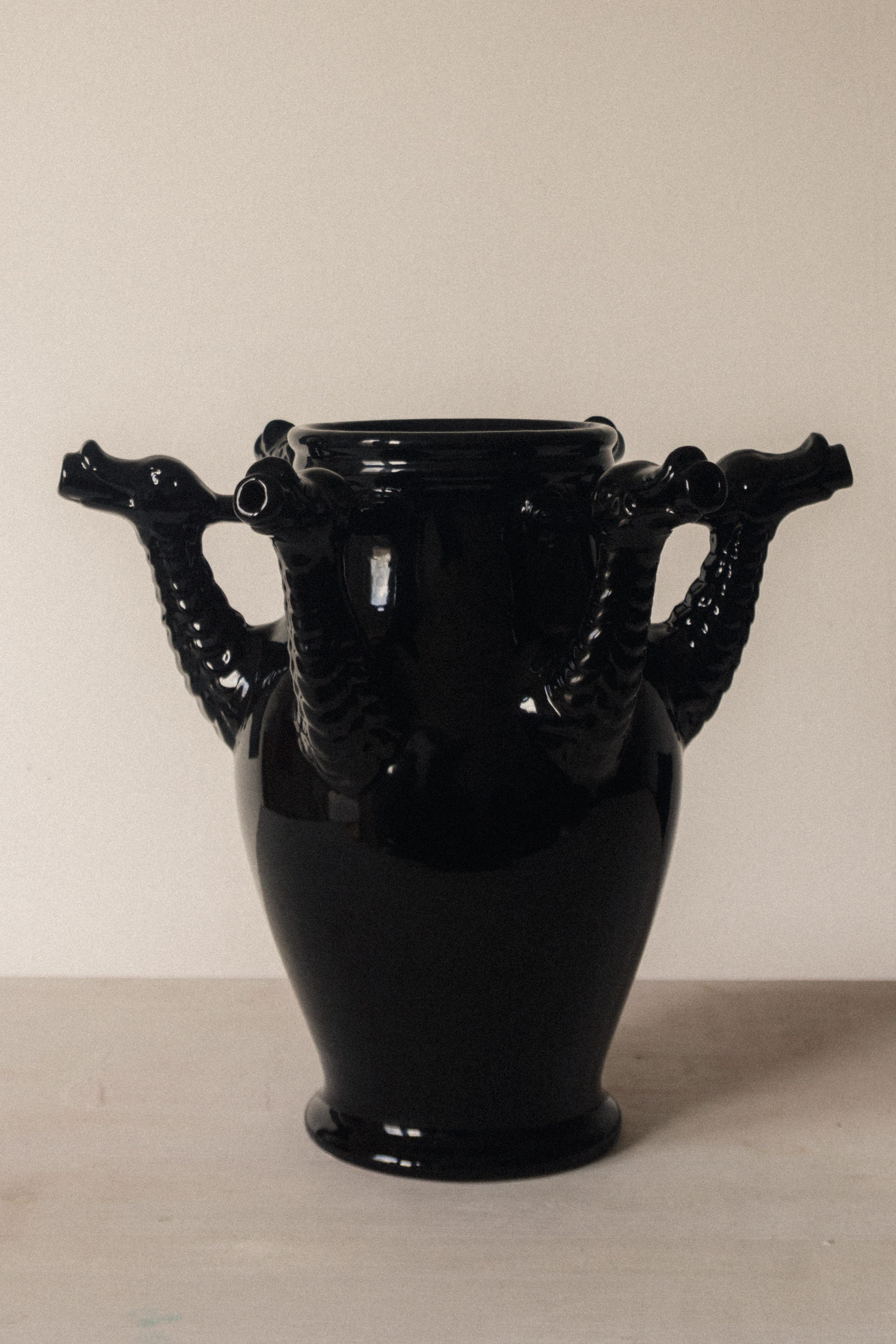
COSEINCORSO, The Drago Nero, open edition, handmade in Italy, terracotta with unleaded glaze, H. 35 × Diam. 40 cm (13.7 × 15.7 in.).
COSEINCORSO’s Drago Nero belongs to a family of vessels distinguished by six sculpted dragon heads, a form that combines the recognisable structure of a vase with the tradition of zoomorphic ornament. This piece is handmade in Italy and finished in a black unleaded glaze.
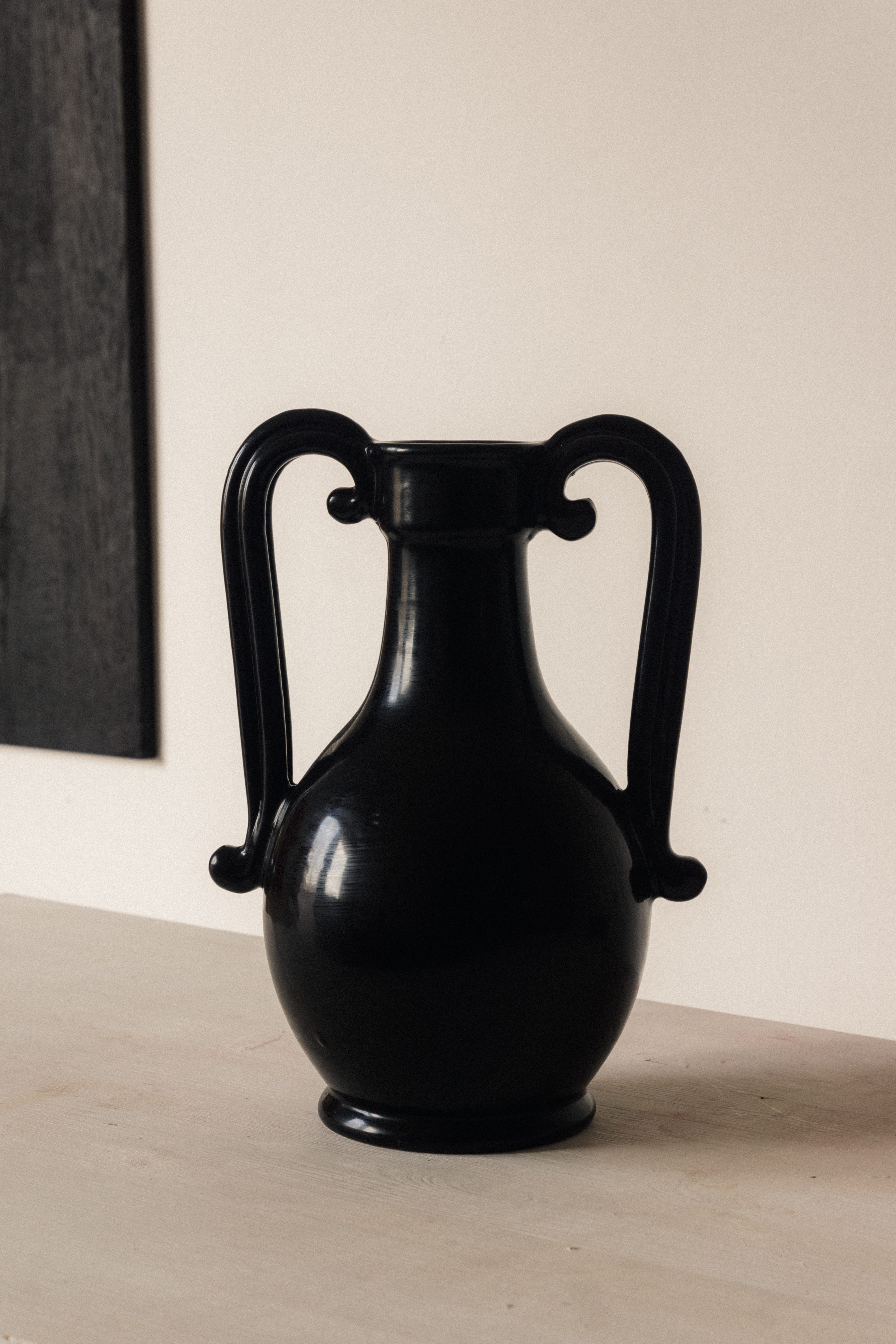
COSEINCORSO, The Fiasca, open edition, handmade in Italy, terracotta with unleaded glaze, H. 34 × Diam. 25 cm (13.3 × 9.8 in.).
The Fiasca takes its form from the storage vessels once arranged in rows upon the shelves of Renaissance pharmacies. The original decoration has been suppressed beneath a black glaze, leaving the profile of the handmade terracotta vessel to carry its historical reference.
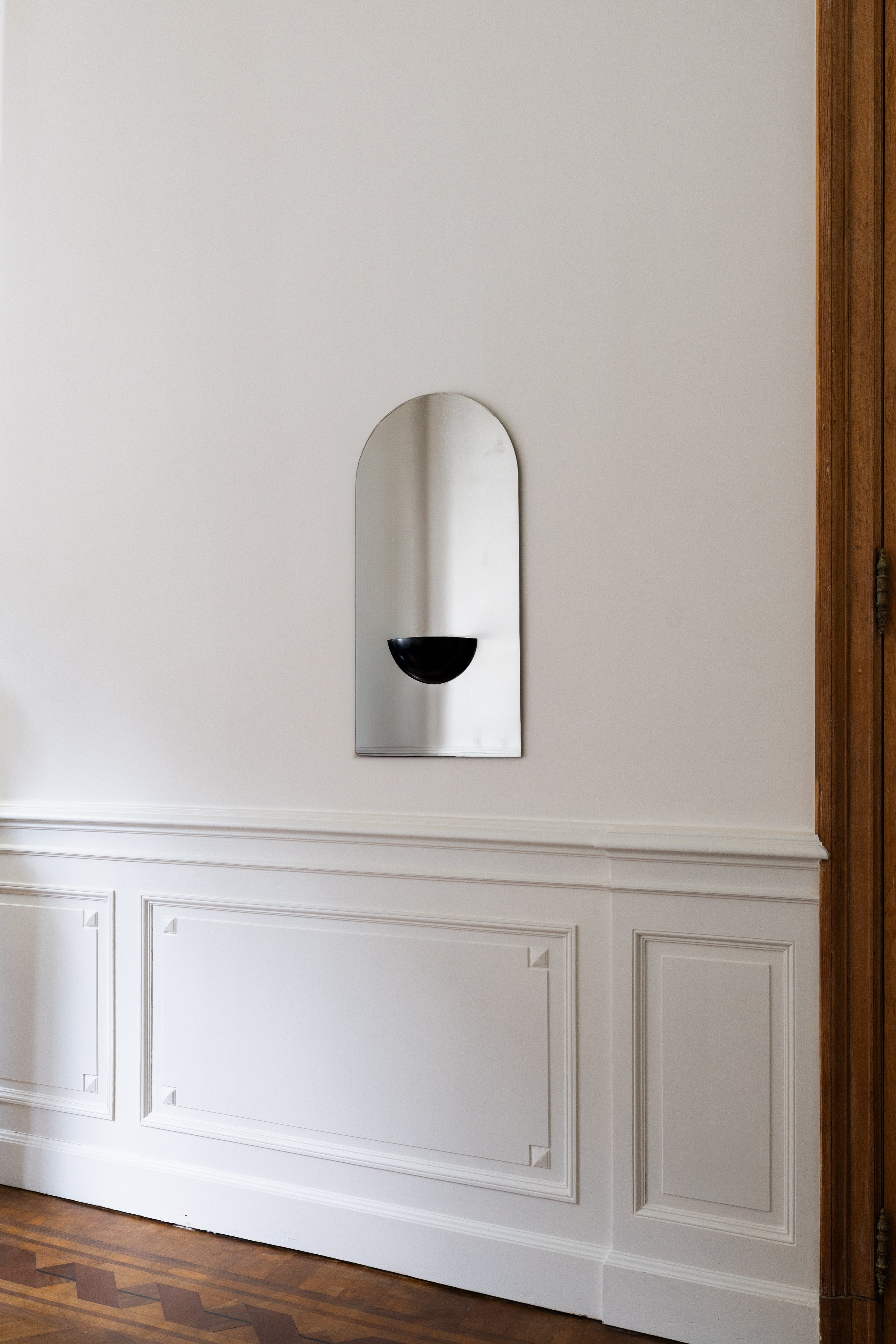
COSEINCORSO, The Mirror of Simple Souls (Medium), open edition, handmade in Belgium, hand-cut stainless steel and painted steel, H. 82.5 × W. 42 × D. 11 cm (32.48 × 16.54 × 4.33 in.).
The Mirror of Simple Souls draws upon the form of medieval holy-water stoups placed at church entrances or beside the beds of Beguine women. Its hand-cut stainless-steel surface produces a softened reflection, while the painted steel receptacle below preserves the memory of the object’s devotional function.
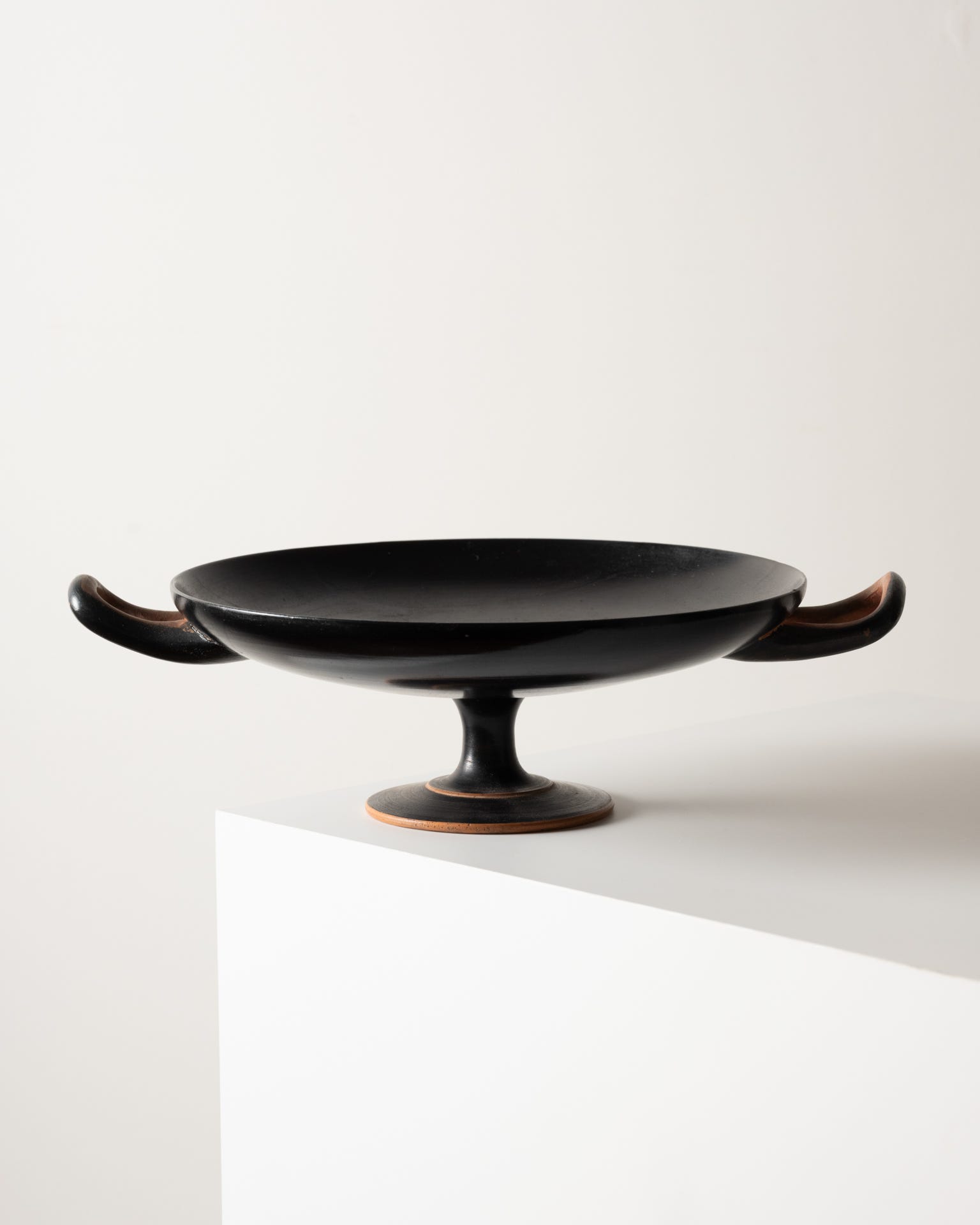
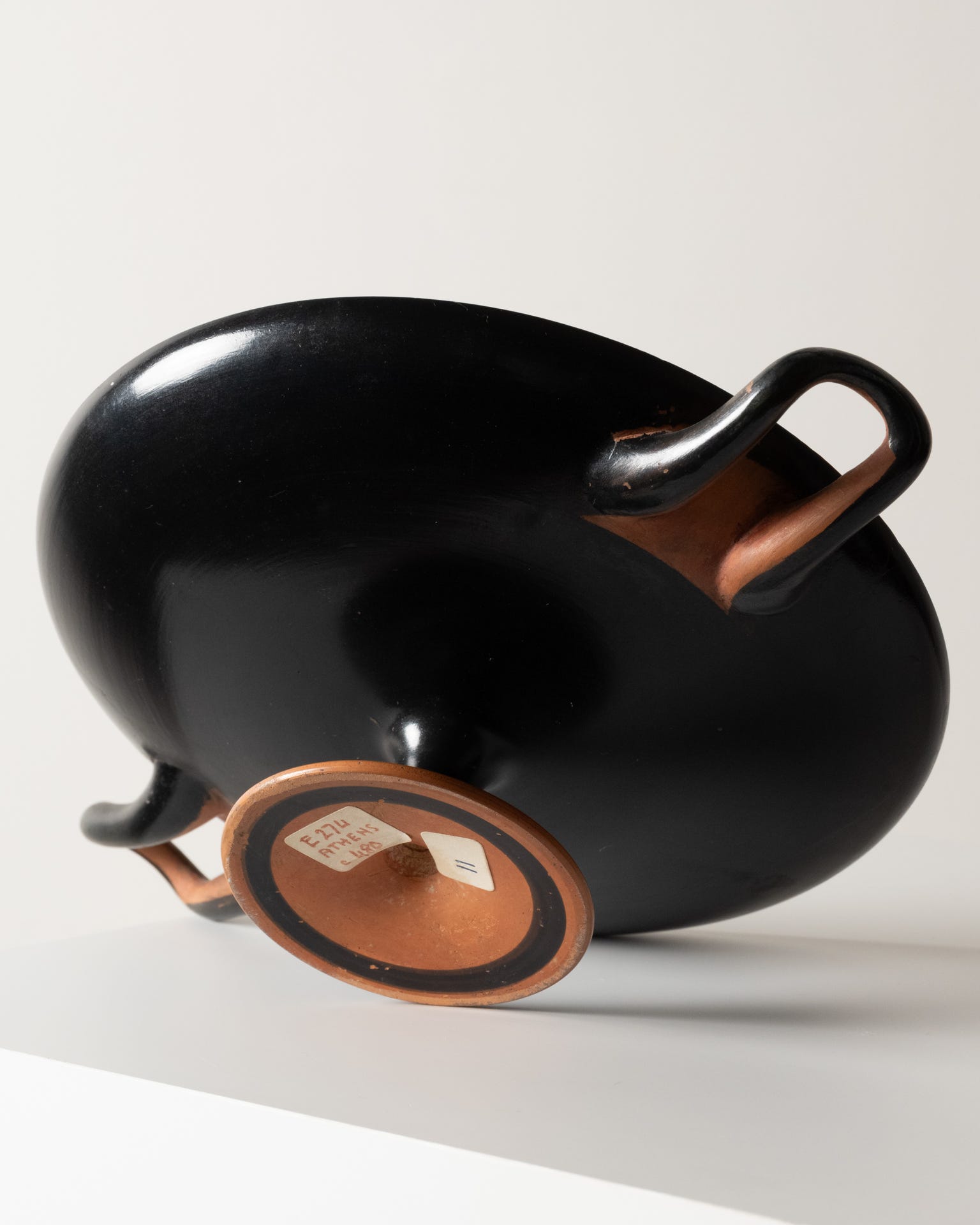
Attic, Greek, Black-glazed Kylix, c. 480 BC, terracotta, diameter: 24 cm (9 ½ in.).
An Attic black-glazed kylix of around 480 BC introduces an object made for an altogether different interior. Its broad, shallow bowl and low foot belong to a type used for drinking wine at the Greek symposium, where the circulation of the cup formed part of an organised social ritual. The vessel remained in the same private collection from 1972 until 2022.
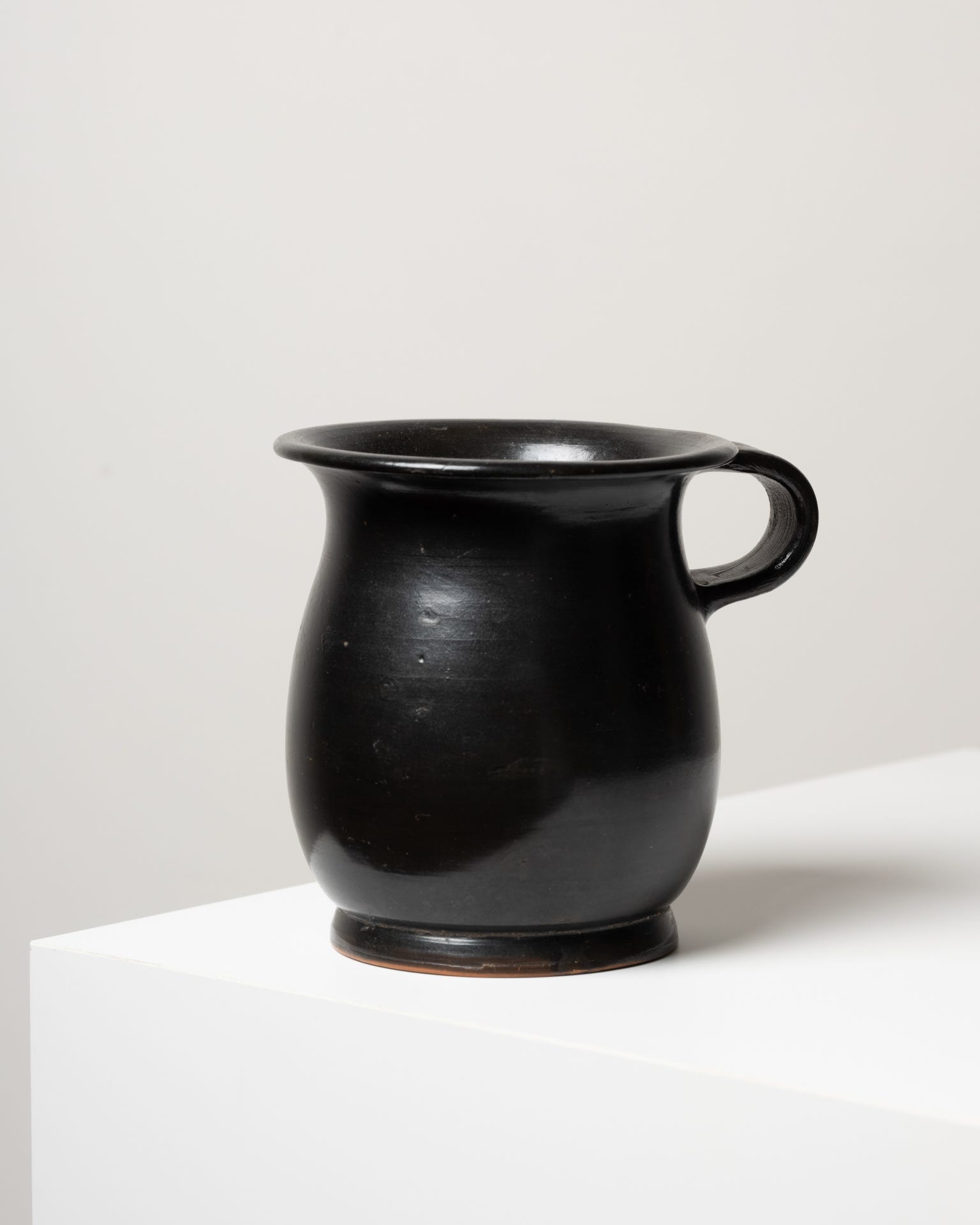
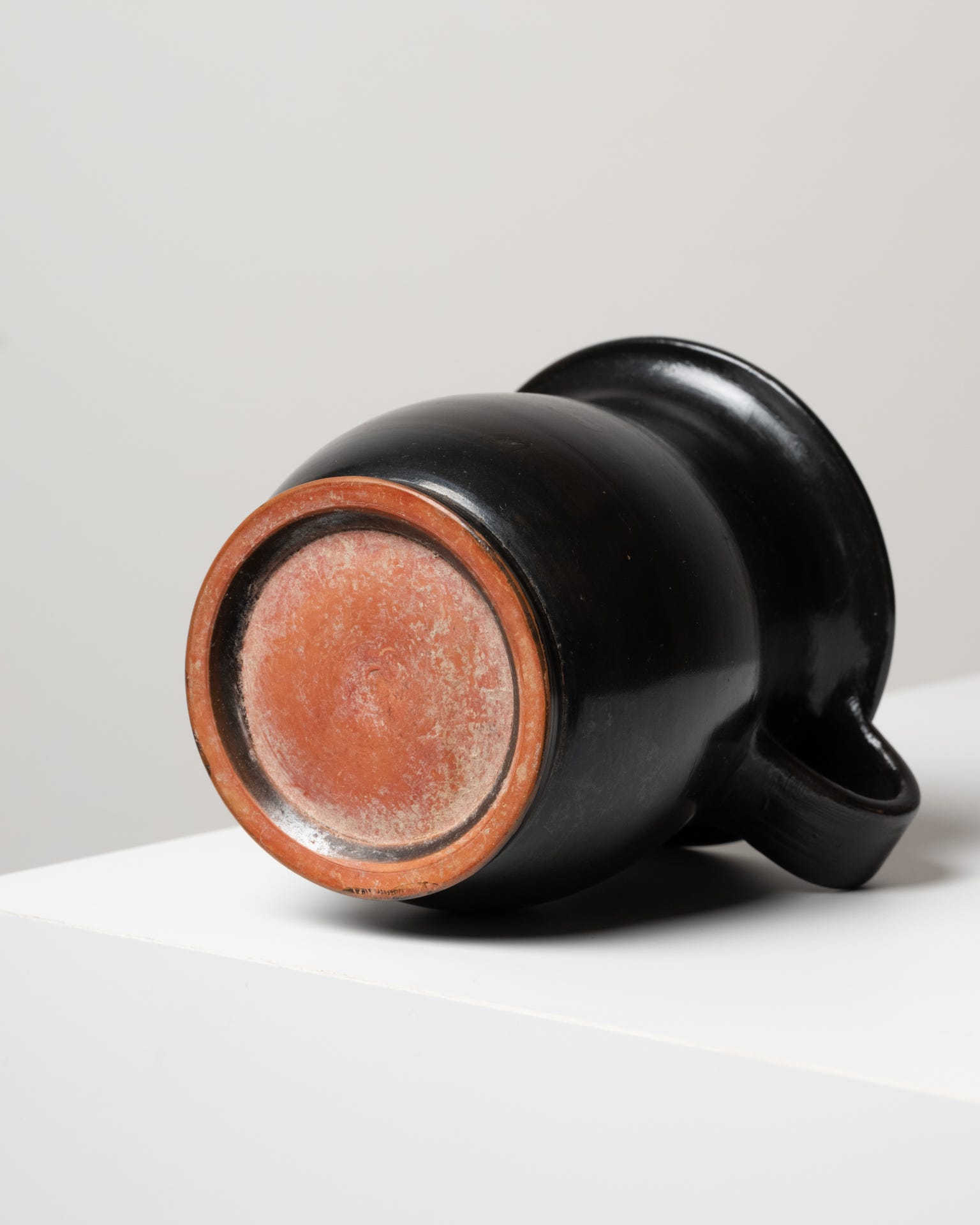
Greek (Apulian), Black-glazed Mug, 4th century BC, terracotta, height: 9.2 cm (3 ⅝ in.).
The Apulian black-glazed mug, made during the fourth century BC, belongs to a class of Greek pottery in which monochrome glaze placed emphasis upon the vessel’s form. Its flaring rim, disk foot and single loop handle identify it as a practical object intended for use within the domestic interior.
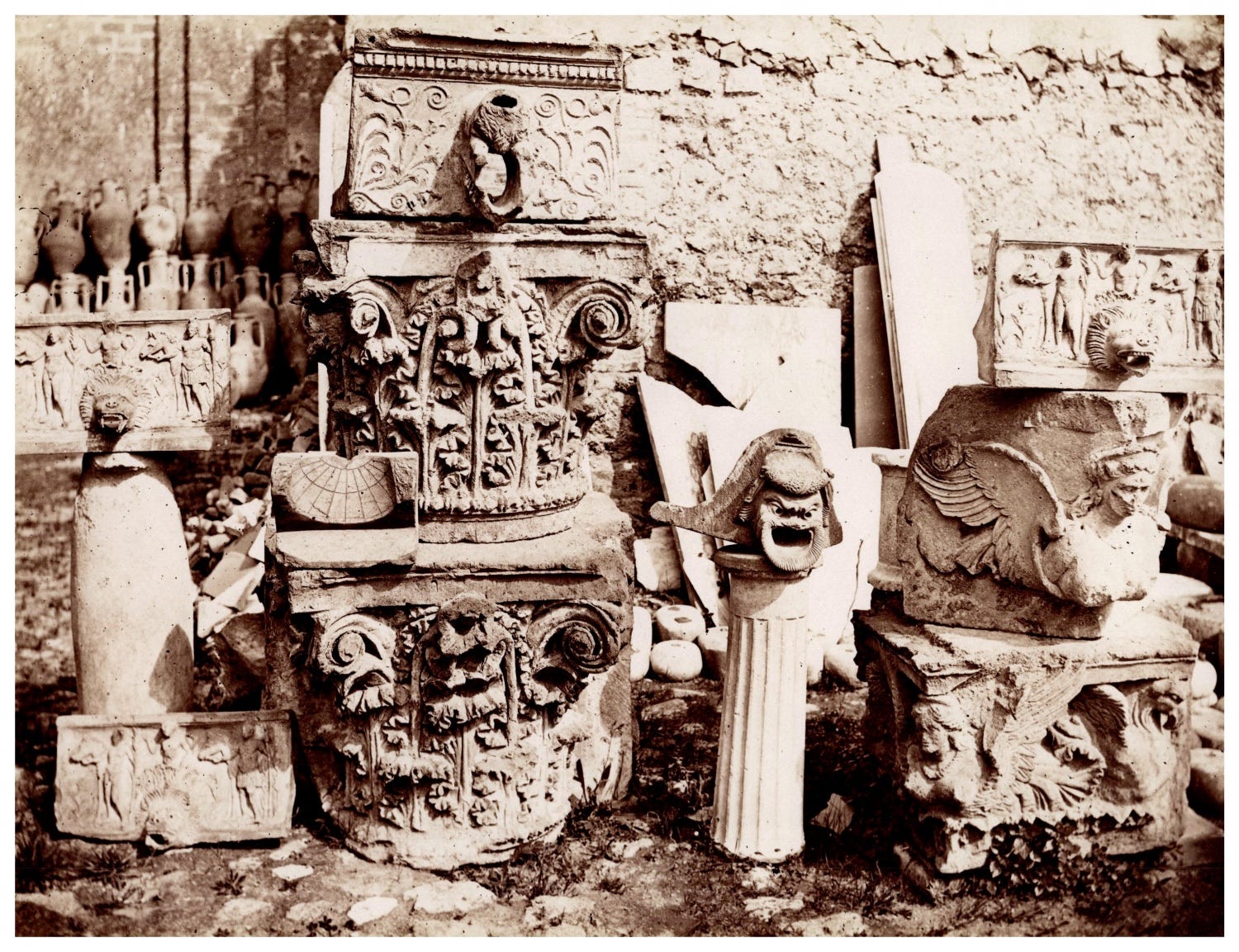
Anonymous, 19th century, Sculptural Fragments from the Temple of Mercury, Pompeii, c. 1870, albumen print, 19 × 24.5 cm (7 ½ × 9 ½ in.).
The archaeological afterlife of such objects appears in an anonymous nineteenth-century photograph of sculptural fragments from the Temple of Mercury at Pompeii. Corinthian capitals and carved architectural elements are shown after excavation but before reconstruction or museum display, preserving a stage in which the remains of the ancient city were being removed and classified. The photograph belonged to the collection of Bruno Tartarin in Paris.
Explore the full exhibition online and visit The Order of Things at Colnaghi Brussels until 10 October 2026.
Old soul, young eye.
Old Masters made modern.
Colnaghi continues to celebrate the dialogue between past and present.
Visit our Website
Read our Latest Journal
Follow us on Instagram